


Sheet metal fabrication forms the backbone of modern manufacturing, transforming flat metal sheets into functional components that power industries from aerospace to construction. This versatile manufacturing process combines cutting-edge technology with traditional craftsmanship, producing everything from intricate electronic enclosures to robust structural frameworks. Understanding how sheet metal fabrication works and its wide-ranging applications helps businesses make informed decisions about their manufacturing needs.
Whether you’re developing prototypes, scaling production, or seeking custom solutions, sheet metal fabrication offers unmatched flexibility, precision, and cost-effectiveness. This guide explores the processes involved, key benefits, and considerations for selecting fabrication partners who can deliver quality results.
What is Sheet Metal Fabrication?
Sheet metal fabrication encompasses various processes that cut, bend, and assemble metal sheets into finished products. Starting with flat metal stock—typically steel, aluminium, stainless steel, or copper—fabricators employ specialised techniques to create three-dimensional components according to precise specifications.
The process begins with detailed CAD drawings that define dimensions, tolerances, and assembly requirements. These digital designs guide automated machinery and skilled technicians through cutting, forming, and finishing operations that transform raw materials into functional parts.
Modern fabrication facilities combine computer numerical control (CNC) technology with traditional metalworking expertise, ensuring accuracy, repeatability, and efficiency across production runs from single prototypes to thousands of identical components.
Core Fabrication Processes
Cutting Techniques
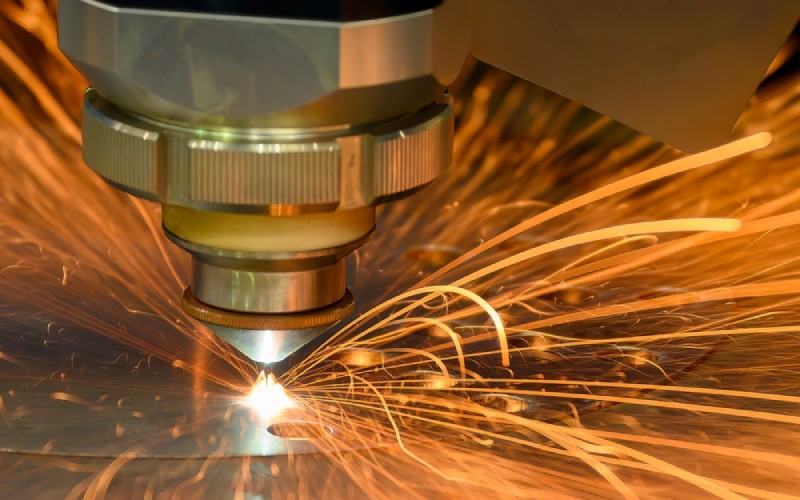
Laser cutting delivers exceptional precision for intricate patterns and tight tolerances, using focused light beams to cut through metal with minimal material waste. This technology excels at complex geometries that traditional methods struggle to achieve.
Plasma cutting suits thicker materials and provides faster cutting speeds for simpler shapes, whilst waterjet cutting offers versatility across different metals without introducing heat that could warp materials.
Punching and shearing remain valuable for high-volume production of simpler shapes, offering speed and cost advantages when precision requirements permit.
Bending and Forming
Press brakes apply controlled force to bend sheet metal along predetermined lines, creating angles ranging from subtle curves to sharp 90-degree folds. Skilled operators and CNC-controlled equipment ensure consistent angles across production runs.
Roll forming gradually shapes metal through series of rollers, ideal for creating curved sections, cylinders, or components requiring gentle radius bends that maintain material integrity.
Stamping and deep drawing create complex three-dimensional shapes through dies and significant pressure, perfect for high-volume production where tooling investment justifies economies of scale.
Joining and Assembly
Welding—including MIG, TIG, and spot welding—permanently joins metal components with strong, durable bonds. Different welding techniques suit specific materials, thicknesses, and aesthetic requirements.
Riveting and mechanical fastening provide assembly options where disassembly might be necessary or welding proves impractical. These methods offer strength whilst maintaining some flexibility for future modifications.
Adhesive bonding increasingly complements traditional joining methods, particularly for dissimilar materials or applications requiring smooth external surfaces without visible fasteners.
Advantages of Sheet Metal Fabrication
Design Flexibility
Sheet metal accommodates diverse design requirements, from simple brackets to complex assemblies with multiple bends, cutouts, and integrated features. This versatility supports innovation whilst maintaining manufacturing feasibility.
Rapid prototyping capabilities allow designers to test concepts quickly, iterating designs based on physical samples before committing to full production runs.
Material Efficiency
Modern cutting technologies optimise material usage through sophisticated nesting software that minimises waste. This efficiency reduces costs and environmental impact, particularly valuable when working with expensive alloys or specialised metals.
Strength and Durability
Metal components provide exceptional strength-to-weight ratios, crucial for structural applications and products requiring long service lives. Protective finishes enhance corrosion resistance, extending component lifespan in demanding environments.
Scalability
Sheet metal fabrication accommodates production volumes from single custom pieces to mass production runs. This scalability benefits businesses at various growth stages, allowing prototype development without requiring separate manufacturing processes for full production.
For businesses requiring precision engineering and reliable delivery, partnering with specialists in sheet metal fabrication ensures access to advanced equipment, skilled technicians, and proven processes that consistently deliver quality results.
Common Applications Across Industries
Construction and Architecture
Structural components, roofing materials, cladding systems, and decorative metalwork rely heavily on sheet metal fabrication. The construction industry values metal’s durability, fire resistance, and design possibilities.
Electronics and Technology
Equipment enclosures, server racks, control panels, and precision housings protect sensitive electronics whilst providing necessary ventilation, access, and electromagnetic shielding.
Automotive and Transportation
Vehicle bodies, chassis components, brackets, and countless other automotive parts demonstrate sheet metal’s essential role in transportation manufacturing. Weight reduction drives innovation in forming techniques and material selection.
Food and Medical Equipment
Stainless steel fabrication dominates these industries due to hygiene requirements, corrosion resistance, and ease of sterilisation. Precision fabrication ensures compliance with stringent regulatory standards.
Selecting the Right Fabrication Partner
Technical Capabilities
Assess potential partners’ equipment range, precision capabilities, and material expertise. Advanced facilities offer diverse processes under one roof, streamlining production and simplifying coordination.
Quality Assurance
Established fabricators maintain quality management systems, conduct thorough inspections, and document processes ensuring consistent results. Certifications like ISO 9001 indicate commitment to quality standards.
Communication and Support
Effective fabrication partnerships involve collaborative design support, transparent communication throughout production, and responsive problem-solving when challenges arise. Technical expertise should extend beyond manufacturing to include design optimisation suggestions.
Lead Times and Flexibility
Production schedules vary between fabricators. Understand typical lead times for your project type, and assess flexibility for rush orders or design modifications during production.
Frequently Asked Questions
Common materials include mild steel, stainless steel, aluminium, copper, and brass. Each offers distinct properties—steel provides strength and cost-effectiveness, aluminium delivers lightweight corrosion resistance, whilst stainless steel combines durability with hygiene benefits. Material selection depends on application requirements, environmental factors, and budget considerations.
Modern CNC equipment achieves tolerances of ±0.1mm or tighter when required, though standard tolerances of ±0.5mm suit most applications economically. Precision requirements influence process selection and costs—tighter tolerances necessitate more sophisticated equipment and careful quality control.
Fabrication specifically refers to shaping and assembling metal components, whilst manufacturing encompasses broader production processes including machining, casting, and injection moulding. Sheet metal fabrication represents one specialised manufacturing discipline.
Absolutely. Reputable fabricators routinely produce prototypes, allowing design validation and functional testing before committing to volume production. Prototype feedback often identifies improvements that enhance final product performance or manufacturability.
Finishing options include powder coating, wet painting, anodising, plating, and polishing. Finishes enhance appearance, improve corrosion resistance, and provide specific surface properties. Selection depends on aesthetic requirements, environmental exposure, and functional needs.
Conclusion
Sheet metal fabrication represents a sophisticated manufacturing discipline combining advanced technology with skilled craftsmanship to produce components essential across countless industries. Its versatility, efficiency, and scalability make it invaluable for businesses requiring precision metal parts, whether developing innovative prototypes or maintaining established production lines. By understanding fabrication processes, recognising quality indicators in potential partners, and appreciating the breadth of applications possible, businesses can leverage sheet metal fabrication’s capabilities to bring their designs to life with confidence in quality, reliability, and performance.
