


Are YOU in charge of health and safety in construction? Always worrying about falling bricks and other hazards? Never fear, we’re here with an array of brilliant tips to ensure you avoid tumbling debris. Read on for the safety checklist for your Health and Safety strategy (You won’t regret it):
1. Don’t Move Things Unnecessarily
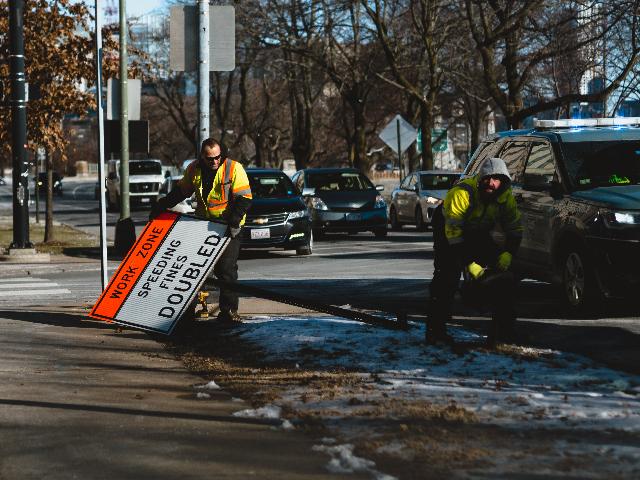
Lifting things at work can cause a lot of injuries. What helps is to use trolleys or trucks to move objects around the sites. This is one of the main aspects of health and safety in construction.
Make sure you plan ahead effectively when it comes to Health and Safety – and if manual handling has to happen, make sure that workers are aware as to how to lift things and that they only work within the right limits.
Whilst working in the zones of construction, around the construction site, there should be posters or visual representations to serve as a reminder on how to properly manually lift. This will prevent injury and people being out of work.
2. It’s a Question of Scaffolding!
One of the main risks in health and safety in construction is falling. This is the dominant cause of deaths in the construction environment.
Scaffolding is one of those things that’s a massive hazard if left unaddressed. The majority of deaths on small building projects ARE caused by falls. Make sure you and your workings avoid heights and that you complete the job from a lower level using extended equipment.
If it’s unavoidable and you have to use scaffolding, make sure you have nets or soft-landing surfaces. You also need to make sure that scaffolding is designed by the right person (hopefully qualified) to ensure it’s strong and stable.
It also needs to regularly inspected and altered due to weather. Another way that workers could stay safe is to have a compulsory lesson or course which will help them keep safe in and around scaffolding, ultimately this will really be helpful in the prevention/minimalization of death by fall.

3. Fashion Darling, Fashion
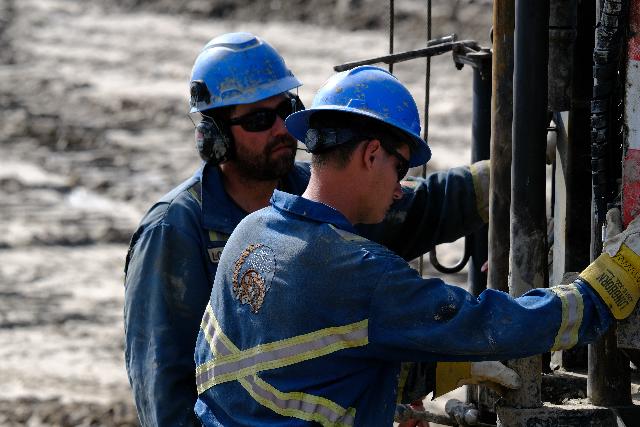
Hard hats aren’t the best look whatever the time of year, but they could save your life. When falling objects hit your head it’s never a good experience – particularly if you’re the employer! Make sure your employees wear appropriate clothing to ensure that they don’t get injured.
Safety footwear is also a good idea; steel’s probably the best for protection. Style or ‘the best look’ should never be prioritised over safety.
The kit for construction workers is specially designed to keep you safe, not to make you look silly!
4. It’s All About the People…
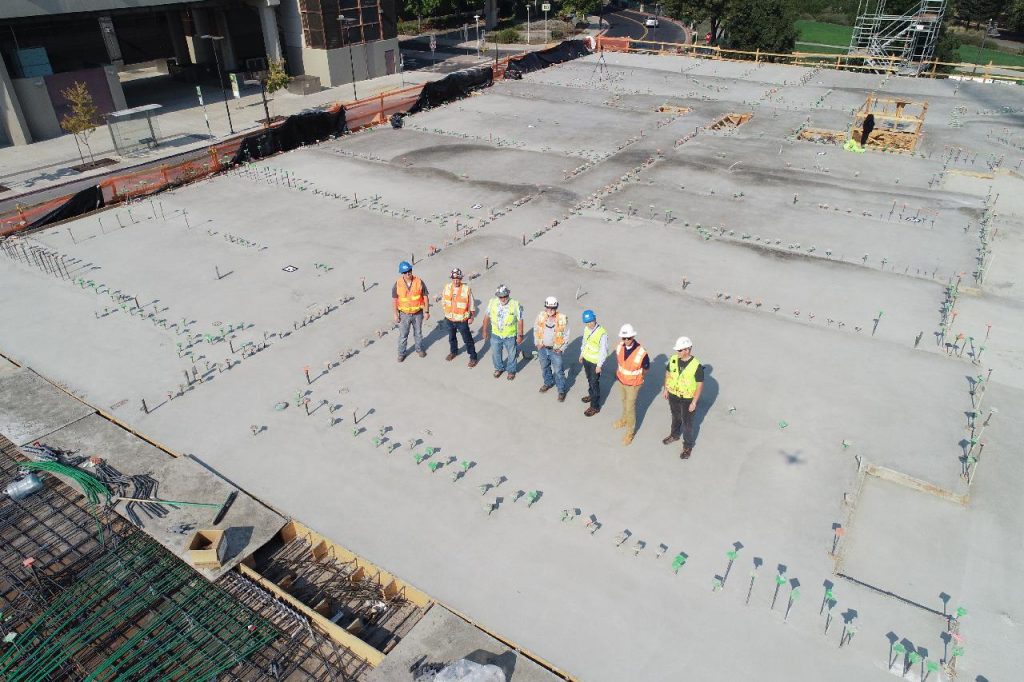
Picking the right people when it comes to Health and Safety is imperative. This could be yourself, a member of your workforce or an outsider.
No matter who it is, make sure you/they carry out a PROPER risk assessment and discuss the situation openly and productively with employees. All workers need to understand what the risks are and where they stand. Also, make sure there’s an adequate policy that includes everyone.
Risk Assessments are the best tool to recognise and prevent risks and hazards, they should be openly discussed with all employees because one person may have identified one or two more risks that you may not have.
Health and safety requirements state that risk assessments should be reviewed in detail on an annual basis.
5. Identify and Mark any Hazardous Materials
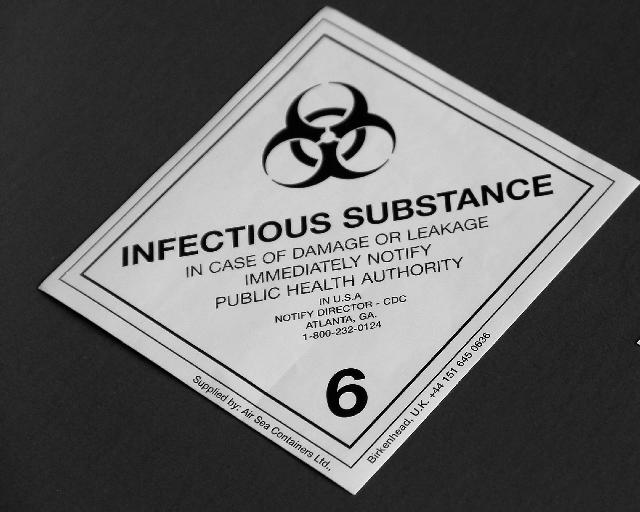
Ensure you label and store any materials deemed hazardous in the right containers and secure them in a safe location. Make sure you post instructions nearby as to how to handle them.
Marking and identifying hazardous material that hasn’t already gone through that process is a great method to keep everyone around you safe. The mark should be of a bright colour so that it is easily recognisable by other workers.
Here is a link to a list of signs: https://www.hse.gov.uk/chemical-classification/labelling-packaging/hazard-symbols-hazard-pictograms.htm
6. NOISE
Sounds from increased-decibel machineries, such as a and tools can present two risks for the workers; one risk of this is that repetitive loud sounds can have a bad physical impact on your ears which may be permanent in worse case scenarios, the other risk is the loss of attention.
Abrupt and loud sounds can cause workers to lose focus and if the focus is lost even for a bit, it can have a devastating outcome in such an environment.
A control measure for this could be investing in ear covers.

We hope that these tips help you when it comes to navigating health and safety on building sites. It can be complicated but it needn’t be if you follow these simple instructions….
