


Fire sprinklers are one of the most dependable home safety systems — quietly protecting your property every day. Yet, many homeowners forget that these systems require regular care and attention to function correctly. Overlooking even minor issues can lead to significant safety risks. Here’s what every homeowner should know about fire sprinkler testing and the details that often go unnoticed.
Why Fire Sprinkler Inspections Matter
Fire sprinklers are designed to react instantly when heat is detected, containing fires before they spread. But over time, small issues, such as corrosion, dust, or valve malfunctions, can limit their performance. Regular inspections and fire sprinkler testing ensure that every component works as intended, from water pressure to alarm signals.
Skipping inspections can lead to hidden blockages, low pressure, or even complete system failure in an emergency. A properly maintained sprinkler system can mean the difference between minor damage and a devastating loss.
Common Oversights During Fire Sprinkler Inspections
Even diligent homeowners can miss critical details during maintenance. Below are some of the most frequently overlooked aspects that can compromise fire safety.
1. Blocked or Obstructed Sprinkler Heads
Sprinkler heads must have a clear path to spray water effectively. Over time, furniture, curtains, or decorations are often placed too close to them, reducing coverage and delaying activation.
Inspect each sprinkler head to ensure there’s at least 45 centimetres of clearance all around. Avoid painting or hanging anything from them. Even a thin layer of dust or a coat of paint can prevent the heat-sensitive element from working.
2. Ignoring Signs of Corrosion or Leaks
Rust, moisture marks, or greenish stains near pipe joints may seem harmless, but they often signal corrosion. Over time, corroded pipes weaken and can burst under pressure.
During fire sprinkler testing, check both visible pipes and ceilings for discolouration or damp spots. Catching leaks early prevents water damage and costly repairs later. Regular inspections also ensure fittings remain tight and watertight.
3. Forgetting About Control Valves
The control valves are the heart of your sprinkler system — if they’re closed or jammed, the system won’t work. Homeowners sometimes close valves during maintenance or renovations and forget to reopen them.
During inspections, confirm that each valve is in the open position and clearly labelled. They should also be easy to access in case of an emergency. If a valve feels stiff or doesn’t turn smoothly, have it serviced immediately.
4. Neglecting Pressure and Flow Testing
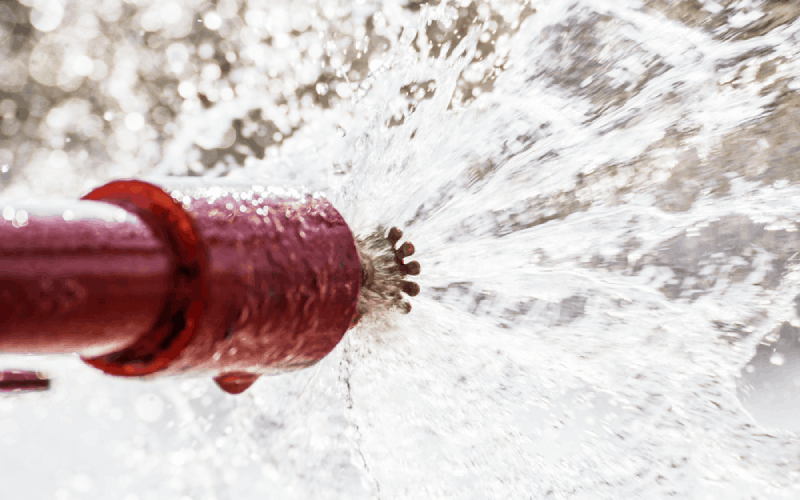
Many homeowners assume that if water comes out of the tap, the sprinkler system must have enough pressure. Unfortunately, that isn’t always true.
Proper fire sprinkler testing includes measuring both static and residual water pressure to ensure consistency throughout the network. Low pressure can prevent sprinklers from releasing sufficient water during a fire. A professional test verifies that flow switches, gauges, and sensors respond correctly when activated.
5. Overlooking Hidden Areas
Basements, lofts, and garages often contain sprinkler lines that are easy to forget. These areas experience greater temperature changes and are more prone to freezing or condensation.
Inspect these spaces thoroughly for exposed piping and confirm that insulation is intact. In colder regions, consider additional anti-freeze protection or heating for vulnerable sections.
6. Skipping Alarm and Sensor Checks
Modern sprinkler systems often link to fire alarms or control panels. These connections are crucial for triggering alerts when sprinklers activate. However, without regular testing, alarm systems may lose communication with sprinkler sensors.
As part of routine inspection, ensure that alarm bells, lights, and sensors respond correctly when the test valve is opened. A delay of even a few seconds could cost valuable time during an actual emergency.
7. Forgetting About Documentation and Scheduling
A well-maintained inspection record is often overlooked, yet it’s vital for safety compliance and insurance claims. Without documentation, it’s impossible to track system performance or prove maintenance history.
Keep a simple logbook noting inspection dates, results, and any maintenance carried out. Schedule your subsequent fire sprinkler testing in advance, ideally at the same time each year, to maintain a consistent routine.
8. Ignoring Environmental Factors
Changes to your home environment can affect how your sprinkler system functions. Renovations, new heating systems, or even installing ceiling fans can alter airflow and heat distribution.
After any significant home improvement, inspect the sprinkler layout to ensure coverage remains effective. It’s also wise to check for dust buildup after construction work, as it can clog sprinkler heads and sensors.
How to Conduct an Effective Home Sprinkler Inspection
While professional inspections are essential, homeowners can perform basic checks safely on their own:
- Visually inspect all sprinkler heads for dirt, damage, or obstructions.
- Check control valves are open and accessible.
- Test alarms and indicators by briefly opening the test valve.
- Examine visible pipework for leaks or corrosion.
- Log your findings and note any irregularities for a technician to review.
Combining these steps with annual professional testing ensures both compliance and peace of mind.
When to Call a Professional
Some signs require immediate expert attention. These include persistent leaks, unexplained pressure drops, or non-functioning alarms. Professionals use specialised equipment to measure pressure, inspect concealed pipework, and verify that sensors and valves respond accurately.
Annual professional fire sprinkler testing ensures full system reliability and compliance with safety standards. It’s a small investment that safeguards your property and, more importantly, your family.
Maintaining Fire Sprinklers Between Inspections
Consistent care between inspections keeps the system in prime condition. Simple habits such as dusting around sprinkler heads, avoiding ceiling clutter, and checking visible pipes every few months make a real difference.
Avoid using harsh cleaning sprays near sprinklers — some chemicals can corrode metal parts. If you’re planning a home renovation, always inform your contractor about the sprinkler layout to prevent accidental damage.
Conclusion
Fire sprinkler systems are often forgotten until an emergency strikes. Yet, their reliability depends entirely on regular inspection and maintenance. By taking fire sprinkler testing seriously and paying attention to commonly overlooked areas, from valves and sensors to hidden pipework, homeowners can ensure their systems perform flawlessly when needed most.
Safety begins with awareness. A few minutes of attention each month, combined with an annual professional check, can protect your home, possessions, and family from the devastating effects of fire.
