


In the construction sector, a developer is a person who develops property through construction or renovation. A developer creates the general concept of a construction project, considering project feasibility. They are engaged in a range of activities related to property, such as finding the best location, sourcing funding, getting planning permission, and hiring contractors. The end goal of any modern property developer is to increase real estate value and make the maximum profit on the construction project. Sometimes that means selling all of the created units; sometimes that means owning the property and making a profit from rental income – it depends on the kind of business you’re in and the level of responsibility you want to take for tenants and their needs.
The difference between a property developer and a property investor
The terms ‘developer’ and ‘investor’ are frequently used in the real estate market, but what precisely do these people do? Are these terms interchangeable? A property investor purchases residential or commercial property to generate a financial return. In most cases, this financial return is created by either renting out the property or re-selling it. Before acquiring a property, a professional investor conducts extensive research to ensure that the property location, price, and the building itself will provide a decent return on investment.
“Property development” is a more complicated term than “investment”. A property developer usually buys a plot of land, builds several residential or commercial units, and then sells them for a profit after development is completed. Developers frequently work with a strong network of building contractors, real estate agents, and legal specialists to get a quick turnaround. Often, property developers have connections with the local council and are extremely familiar with the municipality’s planning and building regulations. In some sectors, such as housebuilding in the UK, a property developer can also be the main contractor. In that case, they also employ engineers, project managers and other key construction staff.
Construction developers’ responsibilities
Before turning to the developer’s responsibilities, it should be noted that there are two types of construction development: speculative development and fee-development. In the first case, the developer fully bears all the risks and responsibility for implementing the construction project and acts as a financial investor. The term “fee-development” literally means development for a fee. In other words, this is a service that a developer provides without investing their funds in the project.
The developer receives a specific fee for the service performed. In the latter case, the developer acts as a consultant and doesn’t bear financial risks. In the modern world, developers often combine these two role models, acting as an investor or co-investor of the project. Overall, a construction developer is a specialist who uses their knowledge to investigate, design, and complete a project by realizing numerous responsibilities and tasks every day.
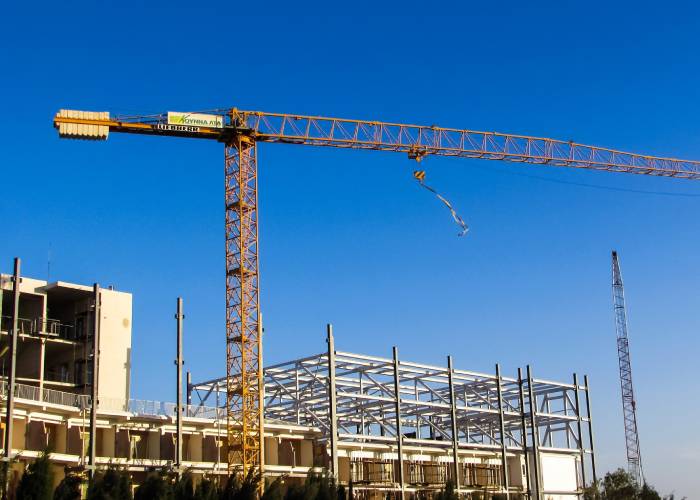
Generally, developers of construction projects are responsible for:
- Creating an idea and taking care of organizational issues. Construction development starts with searching for a suitable piece of land or an old building for renovation. Then, a developer creates a concept of a project, prepares a plan based on the amount of work, area, and the functional load of the building, commissions designs from architects, selects construction companies, obtains permits, and monitors the construction process.
- Assessing the feasibility of a project, budget estimation. A developer analyzes the real estate market to identify the effective use of a future object.
- Communicating with key people. A developer has to interact with many people and teams until the commissioning of the object. They are also in charge of finding future buyers.
- Supervision, management, and risk assessment. Developers are responsible for overall project delivery, contractor tendering, and design management. They also assess possible risks and elaborate on ways to mitigate them. To successfully manage multiple processes, developers usually use top-notch construction management software.
- Marketing. Developers conduct marketing research, choose marketing strategies, find reliable real estate agents, organize presales and lease or sell the finished object.
- Operating and management of the finished object. Since facility operation and maintenance are part of the project life cycle, the developers consider it at the beginning of the construction process. Facilities operations and maintenance encompass a wide range of services, techniques, and tools designed to ensure that the built object performs as intended.
To succeed in these endeavours, successfully run such a complex business, coordinate and manage the work of many specialists in the design, architecture, construction, marketing and legal fields, a modern construction developer should have a pretty impressive list of qualifications and personal skills. Below are some of them.
6 skills every modern construction developer should possess
1. Analytical mindset and entrepreneurial skills
Without these qualities, it is impossible to solve the main tasks of construction development, namely to analyze the market, assess risks and accurately build the concept of a profitable object. In addition, the developer must be constantly aware of what happens in the market of land and real estate. This requires thorough knowledge and expertise.
2. Solid industry experience
Construction development is the kind of business where experience is crucial. As a rule, young people without any construction or development experience rarely become developers. In addition to having an economic, financial, construction, or legal education (or a combination of several fields), a developer must have real experience in implementing construction projects. Developers have to constantly deal with finance, risks, lending, investor search, and the approval of many documents. Even when you hire experts to help you, you still have to know what’s important to project success and why. This knowledge can only be obtained through experience.
3. Charisma and persuasive skills
Some people are naturally charismatic, while others work hard to acquire this skill. In any case, these qualities are essential for a successful developer. Every day, developers interact with various people representing different organizations, establish contacts and build mutually beneficial cooperation for the sake of the future project. It’s not always easy to manage every team member – and many subcontractors will have competing jobs on the go at once – so developers need to have a talent for persuasion. This is also crucial in investment negotiations and disputes with regulatory authorities. A successful developer has to overcome the human factor and achieve the most favourable compromise.
4. Competence in construction and engineering issues
A great developer is not just a business analyst and theorist. On the contrary, the most effective developers are those who are closely involved in the construction processes and understand all the different nuances and stages. A person who is aware of the complexity of the future building is more likely to assess risks realistically and make accurate predictions.
5. Understanding of all modern innovations in construction
Professional developers need to be informed about the newest technologies and software in construction. They have to be familiar with management software and construction programs such as PlanRadar, BIM 360, MS Project, PropTech software, and a variety of digital tools and services, including Traceair and HoloLens. These construction technologies can save workers hours every week and help to avoid costly mistakes, but not all of them apply to all projects. A savvy developer will know which tool is required and when.
6. Understanding the sales and marketing side of real estate
This does not mean that a developer should be a top-level marketer, but they should understand what kind of specialist to hire to promote their projects effectively. They should also know when a marketing and sales team should be brought in to begin selling or renting units. So, further education in marketing will be an excellent advantage for a modern construction developer.
The modern property developer: a successful all-rounder
From the list of skills above, it might seem as though modern property developers are super-human. That’s not the case. Many have years of experience in construction or at a lower level of property development firms. Experience alone has helped them develop invaluable instincts about what will and won’t work in construction projects.
However, it is possible to start small and build yourself up. If you’re thinking about developing your property projects rather than simply investing in them, it’s worth bearing in mind how complex the industry can be. And if you can surround yourself with a great team to support you, then together, there’s no reason you can’t be successful. Even the most successful property developers don’t achieve anything without their network.
