


Here at Kisiel Group Ltd we know that with any property development there are a set of key stages of property development that must be gone through before the property can be rented out or sold on.
Understand how property development works
Ticking off these building development stages as you complete them and move on to the next is crucial in order for your development to succeed.
“Doing so makes sure that the project remains on track and makes it easier for everyone involved to know what is happening, and when,” says our MD Lukasz Kisiel.
And, that’s why in this article, we outline the step by step property development stages any potential developer can expect to tick off as their project progresses:
The 8 Critical Steps:
The following is a quick step by step property development guide that you can expect to work through when undertaking a major development.
Site finding
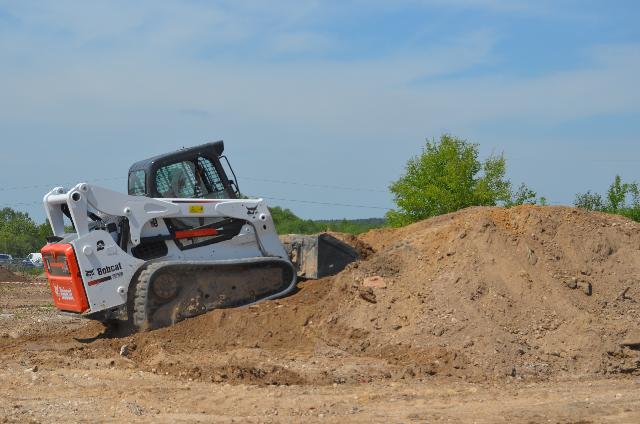
Contacts and networking are everything when it comes to finding an off-market potential property development estate. The better the tip-offs, the more profitable your property development process will be.
Development appraisal
A development appraisal is a necessary step to getting funding. This is a document that lists the possibilities for the site and development, together with the financials that will be needed to complete it.
Detailed due diligence
This is where you get down to the nitty gritty of whether the site and development is really worth investing in. That means checking out the location, the physical site itself including any special planning considerations. Can you get utilities and other services provided to the site easily enough? What about any legal constraints and does the survey look good?
Once you’ve done your due diligence and are satisfied it’s a good idea to revert back to stage 2 of your property development steps and add any findings to the appraisal – especially if it means altering your funding application since they will influence the value of the building at a later stage.
The deal
This step by step property development stage is where your negotiations skills are tested to the max. Now you have the site in your sights, you know exactly how much the land is worth and you’ve done all the necessary due diligence in terms of whether it’s worth developing etc. Now you have to make sure you clinch the deal.
If it’s selling at auction it’s down to your bidding skills. But set a price and don’t go over it (however much you are tempted, as auctions can have that effect).
If it’s more straightforward ie between yourself and the seller then make sure your proposal is water-tight. If funding or experience is an issue, a Joint Venture can often help win the day. Every deal will be different though and it’s down to you to get the best deal possible to maximise your profits.
Funding
Apart from finding the right site, funding is probably the most crucial aspect of the deal. Obviously, if you can’t afford it, the deal can’t go ahead. So, it’s important to have this straightened out as quickly as you can. Structuring the financial aspect can be done in a variety of ways. As we mentioned previously, a Joint Venture is an excellent method of finding the finance – you bring your skills to the table, the partner brings the funding, experience and contacts.
Would it be better to go it alone with a bridging loan? That is a viable option too, provided your project stays strictly to schedule. Development finance can be accessed for larger projects, provided you have a detailed business plan and exit strategy, the more experience you have in the industry the easier this will be to secure.
Buying a site unconditionally may not cost too much initially – just the price of the land and surveyor fees. If the land is an option deal then you won’t require a lot of money upfront at all.
Design, planning & permissions
Another crucial point to get right before any decisions are made – including buying the land in the first place, is to secure planning permission. This could be from the local authority Building Control and Planning teams and it could be from another landowner under a Party Wall agreement.
Design is another important aspect of any step by step property development so that you ensure you make use of every square foot of your purchase as possible. Optimising the land, you own should obviously lead to a greater profit so getting a good designer on board is another key step.
Construction
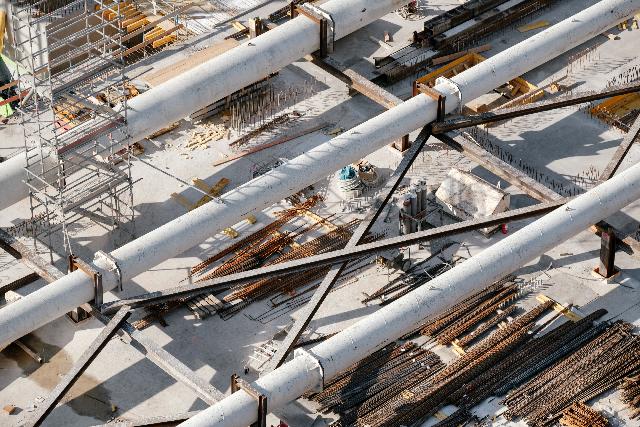
It will no doubt have taken months already to get to this stage – but that’s the way it should be. The strategy and stages of property development don’t happen overnight. Much of the tough mental and negotiation work has already been done prior to the construction process starting.
Choosing the right building firm and having a good procurement strategy in place is another key step in your real estate development plan. Contracts involved here could be a Joints Contracts Tribunal (JCT) two stage tender and contracts process. It’s often a good idea to appoint a projects manager to oversee the whole process and make sure deadlines are being adhered to.
Exit strategy
An Exit Strategy is the final stage in your step by step property development plan. Now that you have completed the work, it doesn’t necessarily mean you are selling the development on, though. Many developers these days Build to Rent, with serviced apartments proving extremely popular.
Then again, it could be that once an individual has done months of research and gained planning permissions they may wish to sell the land to a developer. In this way he or she is ‘sourcing’ the deal and selling it on to a developer as a ‘package.’
Regardless of what you decide to do, this is the good part – where you finally reap the efforts of all that hard work and walk away with a decent profit.
Enthused? Then take a look at some of our other advice and tips on how to develop property at our website Kisiel Group Ltd today.
