


Back in 2017, the Self Storage Association showed that about 76.1% of self-storage units are being let to customers. Last year, Henfield Storage reported that Greater London has about 240,508 lets per year, making it the largest self-storage market in the UK. All of this to say that self-storage facilities are becoming an important part of people’s daily lives. Whether they are moving to London, transferring to a new job or needing extra space, these units have become essential.
In the Self Storage Association’s same report, they realised that only a fraction of customers understood the rules of facilities. Sadly, over a third of the people they surveyed know and understand that contract holders are the only ones who have access to their units. To help the numbers go up, we have prepared a list of dos and don’ts to aid your self-storage journey.
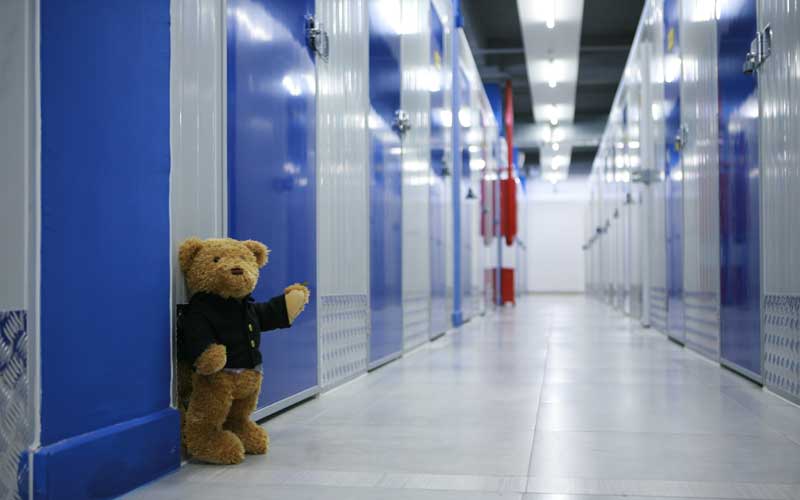
DOs
Do look around for a facility that suits your needs.
As with any type of product, asking around and conducting your own research will help you get the best deal for your budget. Make sure to compare prices, security and conditions of each place before reaching a decision. Some facilities offer air-conditioned units, while others not. You may also want to choose a storage facility closer to your home if you need to access your unit regularly. Consider which one fits your needs the most.
Do choose the right size for your belongings.
Henfield storage London offers units in different sizes, some being as small as a locker and others being as large as a bedroom. Because its size affects the price you will be paying, we recommend measuring your items first before choosing a unit. Afterwards, you can review your facility’s available sizes.
Do store and insure your items efficiently.
On the day your items will be picked up, make sure that your boxes are packed and labelled. Note down all of the things you are storing, updating it regularly if you want to bring more or remove some items. Apply for insurance, as well, before bringing them all in to secure them from any possible (yet highly unlikely) damages or theft. If you are to store furniture, make sure that these are disassembled and placed in the boxes they came in. Any fragile items will need cushioning such as bubble wrap or foam. If you’re bringing in a lamp, remove the lightbulb first before wrapping it in cushioning.
When placing them in their storage unit, sturdy, solid items should be placed at the bottom, long objects like rugs should be rolled up and placed at a corner, and fragile things should be placed at the top. You may choose to leave them packed to ease your removal later on. Knowing how to store these items properly will help you maximise your space and prevent you from getting a larger unit.
Do take your time reading the contract
As with most contracts, it is important that you take your time with reading the contract before you sign. You don’t exactly want to be blindsided by additional costs such as extra charges and non-compliance fees. Read through all of the contract terms and ensure that you are getting the service that you agreed to.
DON’Ts
Don’t store food, animals, plants or flammable items in your unit.
While each facility has specific rules on items that cannot be stored in their facility, here are some commonalities:
- Animals and plants (alive or dead)
- Gasoline, oil or anything flammable
- Weapons
- Toxic chemicals
- Paints
Don’t forget to bring your own lock and key.
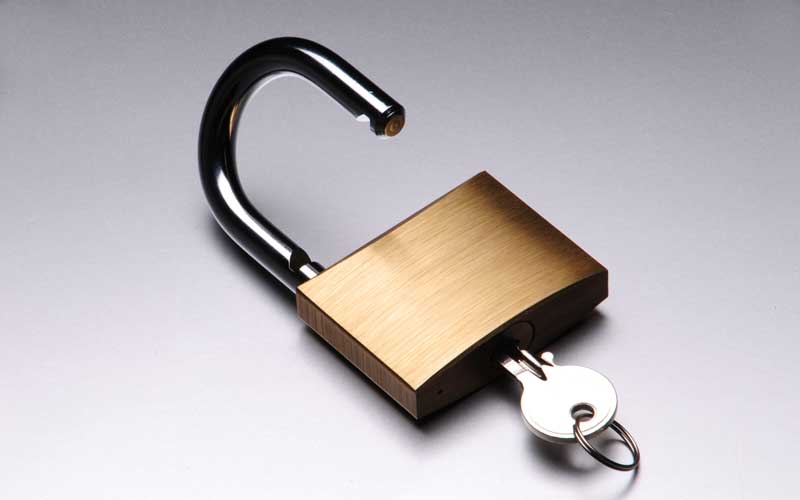
Before leaving your items, make sure that the unit is securely locked. While some facilities sell their own locks, it is wise to prepare this beforehand.
Don’t just store everything in without organizing
Yes, storage facilities are there to increase your storage space. However, if you really want to maximize the space that you are paying for, make sure that you organize your items. If you’re storing large furniture, disassemble them. Not only will this save you space, but you’re also decreasing the chances of damaging it during storage and transit.
Don’t stack carelessly
Don’t just stack all of your boxes on top of each other. Make a note of which boxes have fragile items and which ones can take the load. The goal of a storage unit is to keep your items safe and secure. It would be counterproductive if your item gets destroyed in the process.
Don’t get unnecessary additions to your unit
While it can get tempting to get climate control or a cool, automated lock for your storage unit, think of whether you really need it. Often times, tenants rent storage units that are overly embellished with amenities that they do not need. They can drive up the cost of your storage units by a couple of pounds a month. Over time, this unnecessary expenditure can add up to hundreds of pounds that could’ve been spent better elsewhere.
These are some general tips to help you maximise your self-storage experience. Once you get these basics down pat, you can store and access your items easily. Storage facilities make their user’s lives very convenient. By entrusting storage units with your items, you also free up space inside your place.
